Pages

Showing posts with label health benefits. Show all posts
Thursday, March 27, 2014

Eating fresh herbs daily

A couple of days ago, my photo for my #100happydays was of some chives growing in our garden. I love my herb garden.  It is right by my kitchen, so it is easy to nip out there and pull off a few leaves of something or other.

I eat fresh herbs daily and so was interested in some reading I was doing for my studies which was comparing different government food recommendations in different countries.  I was looking at the the New Nordic diet NND which is a gastronomically driven, regional, organic and environmentally friendly diet from Denmark.

The NND was developed by a collaboration led by Rene Redzepi from the world-leading Copenhagen restaurant NOMA.  NOMA held the title of "best restaurant in the world" for 3 years. Shortly after opening NOMA, Rene held a conference with other chefs in Denmark and they collaborated with the University of Copenhagen to create a healthy diet, showcased in the local restaurants that could also be easily used for home cooking.


The NND is based on regional foods in season, with a strong emphasis on palatability, healthiness, and sustainability, while staying in tune with regional food culture and dietary habits.


The basis of the diet is comprised of the following food groups:
  • fruit and vegetables - especially berries, cabbages, root vegetables and legumes
  • potatoes
  • fresh herbs
  • plants and mushrooms gathered/foraged from the wild
  • nuts
  • whole grains
  • meats from livestock and game
  • fish and shellfish
  • seaweed
The majority of foods are organically grown and of Nordic origin.

Yes - they include "fresh herbs" as a food group.  I don't believe any other government dietary requirements mentions herbs at all.

Herbs have lots of different effects on the body - with each having their own little "niche" of health benefits, for example oregano has antibacterial and anti fungal effects, thyme and rosemary are both good antioxidant and anti-inflammatory, mint helps with digestion,  and basil helps with pain, reduces cholesterol, etc.  So using a variety of fresh herbs as part of your daily diet brings lots of benefits - never mind the flavors they impart.

The research on NND shows that eating this style of eating leads to great health improvements and weight loss, with people eating the food ad libitum - i.e. freely.  The OPUS project is continuing research on the diet.  More information on OPUS and the NND are in these links, including their research with school children.

I have to confess, there is another reason why the NND piqued my interest!  I am going to Copenhagen in May for my husband's birthday celebration.  A couple of weeks ago, I stayed up one night until nearly 2am, and I managed to get a reservation to eat at NOMA while we are there. I am so excited.  I can't wait to eat at such a creative restaurant. They employ two full time "foragers" who go out and forage for the food every day.  Apparently, if a restaurant in Denmark doesn't employ a forager, its not really a "proper" restaurant!!!!!  I love the idea.


So in the meantime, I will continue to eat my home-foraged (!!) herbs daily, until I go to Copenhagen and eat Rene's amazing creations!  

Do you grow fresh herbs? Its something easy we can all do - even if you don't have a garden.  It not only makes food tasty but is good for your health.

Watch this space….you know you'll be hearing more about NOMA and Rene (who is definitely a Great Dane!) and the NND.
Tuesday, December 31, 2013

Green Tea and Ginger Oatmeal

I've mentioned before on this blog that I don't like the taste of green tea if I'm drinking it. However, I do love all the healing aspects of green tea with its high antioxidant levels, EGCG, anti cancer effects, anti-inflammatory effects etc etc and so I try to cook with it instead of drinking it.


I often boil my rice or quinoa or other grains in water with matcha green tea powder, or use green tea bags in the water. I make a green buddha bowl that I love.....but lately I've been wondering about how else I could incorporate it in my cooking - and I came up with the idea of adding it to my oatmeal water!


Ta Da!  Green Tea and ginger oatmeal was born!  Yes, it has a green tinge to it - but I - and you can get over that!


Its tasty but doesn't taste of green tea! The whole idea.

Here is how I made it:

1 cup water
1 tsp matcha green tea powder or 2 green tea teabags
1/2 cup rolled oats (I used gluten free)
2 tablespoons of ground flax seed
Ginger pieces - to your taste
1/4 cup goldenberries

Add the matcha tea or tea bags to the water in a small saucepan and bring to just below a boil.  Remove the teabags if using.  Add the remaining ingredients and cook for 5 - 10 minutes.  The flax does thicken it so if you prefer runny oatmeal, add some more water.

Serve with additional fruit or ginger on top and non dairy milk, if you choose.  (The ginger I used was rehydrated dried ginger - I just keep some in water in the fridge or you can use crystallized and wash off the excess sugar.)

And to think for my breakfast, I've started the day with the omega 3 fats that I need from the flax seed, plenty of fiber and vitamins from the oats, the healing benefits of green tea, anti-inflammatory effects of ginger, anti oxidants from golden berries...and its only 8am!!!

Hope your new year starts are well as my day has started today.  Wishing you a happy, healthy, and hopeful 2014. xxxx
Tuesday, November 19, 2013

Health Benefits of Passion Fruit

I am excited to say we have tasted our first home-grown passionfruit this week - just in time before heading back to England for a couple of weeks.


I was very fortunate in that one of my Food as Medicine classes gave me a gift voucher at the end of their season of classes and so I bought some edible plants for our garden - including our passion fruit vine.


The vine has thrived and the fruits are just ripening now.  They fall off the plant, all round and solid looking but then you have to leave them at room temperature to wrinkle and ripen further.  They are larger than any passion fruit I have ever seen for sale.

Freshly picked on the left, and two day wrinkles on the right!

It was tricky waiting for the first one to wrinkle....but we did! Then I cut it in half one morning and put the seeds on my homemade granola.  So sweet and full of flavor.

We are just eating them 'as is'. No need to do anything at all with them - just enjoy them, full of exotic flavors.

However the biggest fan in our house has to be Harold, our parrot.  He just adores passion fruit.  I put the nearly empty half in his cage after I'd eaten most of it and left just a couple of seeds - oh, he was ecstatic!!! All you could hear were little crunches and happy noises from him!   We've left strict instructions with his pet sitters to give him treats of his passionfruit while we are away!


Unripe passionfruit
Passionfruit are basically just seeds with a gelatinous pulp coating.  This means that they are are great source of fiber - so don't strain them just for the juice - enjoy the crunch too.  Passion fruit also contain high levels of carotenoids - at least 13 different carotenoids - which are particularly good for our vision and skin.

They are also rich in vitamin C - an antioxidant - especially when freshly picked and the nutrients are at their peak level.   Surprisingly, they are also a good source of iron and have a somniferous properly, so if eaten before going to bed, help us relax and get a restful night's sleep.

No wonder Harold had a nap after breakfast!!!


I also love that its a winter/late fall fruit when most other things are all done with fruiting!  So get out there and grown a passion fruit - or buy some now from the farmers market or supermarket , while they are in season.


Wednesday, November 13, 2013

Rosehip, Quince and Clove granola

What a combination: Rosehip, quince and cloves!  It tastes so rich and full in the mouth.  And this granola  - while it has these three great healthy and yummy ingredients - is also happily lacking in 3 not-so-great ingredients - it doesn't have gluten, added oil nor added sugar.

Rosehip, Quince and Clove granola served with
almond milk, pomegranate seeds and homegrown passion fruit

A healthy, spicy, rich granola - perfect for fall and winter.

For this recipe, I took some of the roasted quince that I described in Monday's blog and pureed them in a blender with just a touch of water.


The recipe for the granola is as follows:

2 cups of grains (- I used 1 cup GF rolled oats plus 1 cup of GF unsweetened puffed brown rice)
4 tablespoons rosehip powder
1/2 teaspoon ground cloves
1/4 cup pureed quince

Mix all the ingredients together and then place on a baking sheet or shallow dish.

Bake at 375F for 10 minutes then remove and stir well.  Put back in the oven for another 5 - 10 minutes until dried and starting to go crunchy. You need to keep an eye on at it during this time to check the outside parts aren't over cooking.

Remove from the oven and enjoy for breakfast or a snack.

You can add nuts and dried fruit to this recipe too. Add the nuts before cooking but add the fruit after cooking.


What a great start to the day: Serve it with non dairy milk/yoghurt and we get the fiber and catechins from the quince; more fiber from the oats and brown rice; anti-inflammatory and anti-oxidant effects from the cloves, quince and rose hip; and plenty of vitamin C from the quince and rosehip.


And all that with NO added sugar, oil, salt and no gluten.

You will love the combination of rose hip, quince and clove.  When are you coming over for breakfast?
Monday, November 11, 2013

A week of Quince - and its health benefits


This week I've decided I'll focus my blog posts on quince - that wonderful fruit that many people don't even know what it looks like, never mind what it tastes like.  Well, if you are one of those, you are missing out!  It is a great fruit and really is quite simple to prepare.  I'll take you through the stages today and then share some recipes on using the cooked quince throughout the week.  Yes, it is a fruit that needs to be cooked before you can enjoy it.  It is very tough when picked off the tree and too astringent to eat raw.


It's been a wonderful year for my quince tree again - with so many fruit. I've actually been keeping up with them better than before as I've perfected my cooking routine - and I've had a little help from my friends too, who took some to eat.


If you search for quince recipes, I bet every one - apart from those on this blog - will include plenty of sugar.  It seems all quince recipes involve baking the quince in a sugar syrup.  Well, I have to tell- it doesn't need any sugar at all!


How I cook mine is that I take the whole fruit, and use a vegetable peeler to get most of the peel off.


Then a put a few in a roasting dish and add some water and sprinkle some cloves over the top - or else add a couple of chai rooibos tea bags to the water to impart their flavor.


Then I put them in the simmering oven of my aga and let them roast for a few hours.  In fact, I once forgot them and they roasted overnight and were still delicious.

You can also roast them faster in a hotter oven - but as I have my aga - I love the slow roast method - often about 8 hours.


So put it in the oven and leave a note for yourself that they are in there and get on with the day. If you leave the house - you'll be greeted with a wonderful aroma of clove and quince spices as you come back in the door. "Smells like Christmas" as my husband would say - but anything with cloves smells or tastes like Christmas to him! (I try to tell him that cloves are for more than Christmas day!!!)


When they are cooked, just let them cool and then cut off the fruit from the core and either slice or puree in a blender and use in many different ways as I'll show you throughout the week.


And the health benefits of quince?

Quince is a low calorie fruit with good amounts of fiber.  There is a certain grittness in the pulp which comes from the tannins catechin and epicatechin. These are the same chemicals in green tea that contribute to its health benefits. These chemicals bind to cancer-causing toxins and chemicals in the colon and protect the mucous membrane from inflammatory bowel disease, cancers and diverticulitis.

It has many phenolic compounds in it which gives it a unique fragrance.  And has high concentrations of Vitamin C so helps boost immunity, reduce viral episodes and inflammatory conditions.

It is also a good source of copper, iron, potassium and magnesium, along with B vitamins.

So not only does it taste good - it is good for you!


As my friend just told me this week after she tried one of our quince:

"So much better than even the best baked apple I've ever eaten. What a treat, and  a happy discovery"

Get discovering for yourself and I'll share some recipes throughout the week!

It's quince time!

Tuesday, May 7, 2013

Belly Button Parsnip

We are taking care of our friends' dog at the moment.  Her name is Bella...or "officially", Bella Rose.


But to us, she is known affectionately by a few others including:

Bella, Bella, Bella
Belly Welly
Belly Parsnip
Buh for Bella
Bella Basket
and most recently
Belly Button and
Belly Button Parsnip

There are reasons for each - but too complicated to explain! And she responds to all of them!

Anyhow I liked her photo today on her bright fatboy bed, taking it easy!  Oh, to have the life of Belly Button Parsnip!

There are many health benefits to having a pet including increased exercise, lower blood pressure, companionship, laughter, date magnets (!)...and many more.  What is the best thing you get from your pet?

Bella's forte is definitely laughter!
Thursday, May 2, 2013

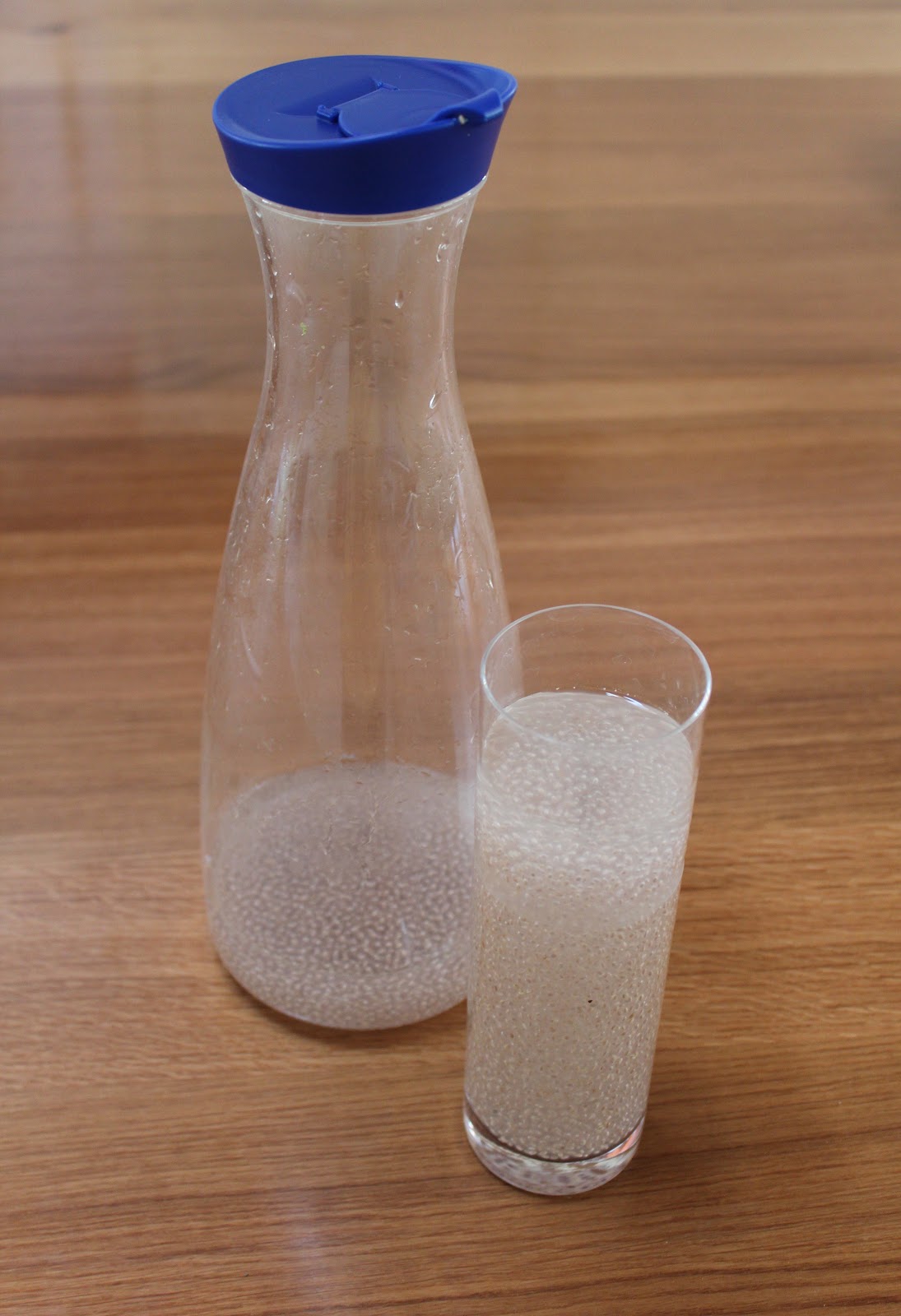
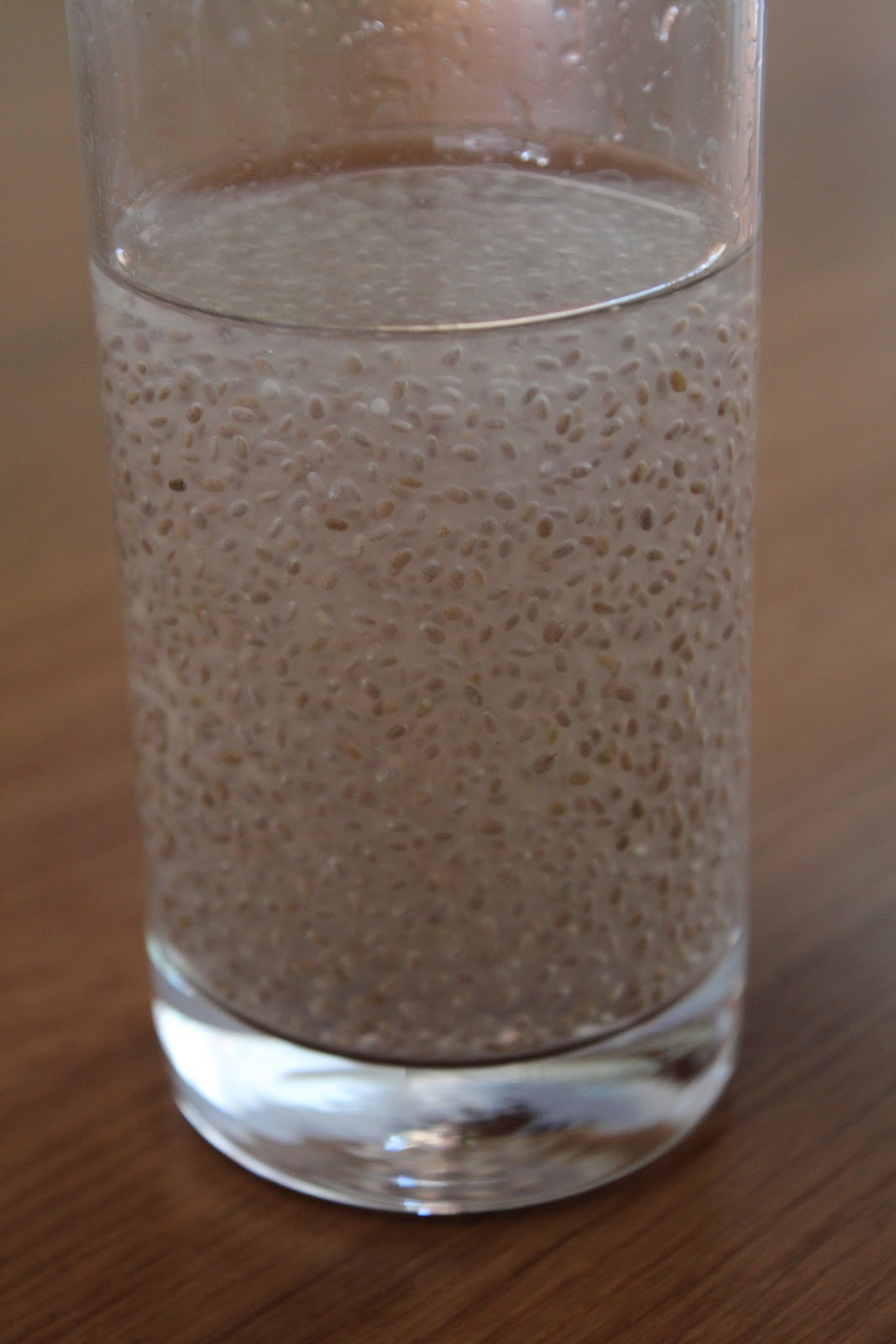
Chia Fresca

I never thought I would, but I like chia fresca!

Never being one for tapioca because I always thought it looked like frog spawn, now here I am drinking frog-spawn-looking chia fresca!!


Chia fresca is a mexican drink - with lots of health benefits - mainly due to the chia seeds which are an excellent source of omega 3 fatty acids (more than flax and salmon), high in fiber (1 tablespoon has 5g fiber!), calcium ( 6 x that of milk), magnesium (15 x that in broccoli)....

Here is the recipe:
2 cups water
2 tablespoons chia seeds - I like to use the white ones in my drink
Juice of one or two lemons or limes, depending on your taste.

Directions:
Pour the water into a jug and add the chia seeds, whisking immediately.  Leave for 3 - 4  minutes and whisk again.  Leave for 10 minutes, whisk again and add the citrus juice.  The drink will thicken and become like a gel. Stir before drinking.


Don't say you can see the tadpoles starting to swim!!
Enjoy! If you can get over the look and unusual texture for a drink I'm sure you'll love it ;-D
Wednesday, April 3, 2013

Spring Pesto

I made a no-added-oil pesto this week to garnish a parsnip and cauliflower soup.  I felt the pesto acknowledged that it was now spring and lifted the more wintery flavors of the soup into this early April time.


But then I finished the soup and still had some parsley and spinach left, so made some more pesto and found different ways to use it!...... as a dip, on a sandwich, as a dressing, ...

Here's the recipe:

Ingredients:
1 cup baby organic spinach
1/2 cup fresh chives
1/2 cup (packed) flat leaf parsley
1/4 cup slivered almonds
1/4 cup water
3 tablespoons freshly squeezed lemon juice

Combine all the ingredients in a food processor and process until smooth. If necessary, add more water to achieve the consistency you desire. You may have to stop the processor a couple of times to scrape down the sides so that everything is combined.


Enjoy it on a variety of different dishes! The photo above shows it on a sunflower cracker with sun-dried tomatoes, cucumber and black cumin! A tasty lunch.

You won't miss the oil at all!  The taste of the parsley and lemon just excite the taste buds too much to want oil!

Parsley is an excellent source of vitamins A, C and K. It is rich in antioxidant flavonoids and is a good source of folic acid.  Chives are a member of the allium family and are anti-inflammatory, antibiotic and antiviral.  They also contain quercetin which helps reduce histamine and so helps with hay fever and seasonal allergies.

Whip yourself up a dose of healthy green pesto and put a spring in your step this spring time! Your body will love you for it.
Tuesday, April 2, 2013

Vibrant Quinoa Salad

I made this lovely green quinoa salad for some friends last week, when they visited for lunch.


It is very easy to make and seems so perfect for springtime with the lovely green colors.  It tastes nice and fresh with the lemon juice and mint.

Give it a try and let me know what you think:

Ingredients:
1/3 cup quinoa
2/3 cup water
4 scallions/spring onions, finely chopped
1 avocado, diced
1 lemon, juiced
1 teaspoon ground cumin
1/2 cup frozen green garbanzos
1/2 cup frozen green peas
1/2 bunch mint, chopped
1/4 cucumber, diced

  1. Rinse the quinoa in a sieve to remove the bitter coating.
  2. Bring the water to a boil in a small saucepan and add the quinoa.  Reduce the heat to a simmer, cover and cook for 20 minutes. When its cooked, the quinoa should still have a little crunch.  Rinse in cold water and drain thoroughly.  Place in a large bowl.
  3. Put the green garbanzo beans and peas in boiling water and cook briefly for about 5 minutes. Drain and rinse in cold water.  Add to the quinoa.
  4. Add the rest of the ingredients and toss well. Serve.
  5. Will keep in the fridge for a couple of days. Can be made in advance.
You can obviously add whatever vegetables you like to this dish. I like the green garbanzo beans - as they are new in the stores here, so its good to find a nice dish for them...but you could use sugar snaps or edamame or another vegetables instead.  You could also try celery, or green pumpkin seeds or green pistachios.


The dish provides a good protein source and calcium from the quinoa, and plenty of different phytonutrients from the vegetables and lemon.  The cumin is rich in phytoestrogens and may help with osteoporosis and diabetes.
Thursday, March 28, 2013

Spicing things up

I held two spice classes this week for my food as medicine groups, looking at what benefits certain spices have to our health and how we can incorporate them into our daily lives.

Photo From Wikimedia commons

As well as tasting individual spices, we created a variety of blends from different countries and then tasted them in either applesauce, butternut squash or sweet potato - as vehicles for the spice, so you could get the true flavors.

Tasting stations at the ready!

The key spices we focused on were

  • cinnamon - great for diabetes
  • turmeric - anti-cancer and anti- inflammatory activity
  • black cumin - immune system boosting
  • cloves - toothache, mosquito repellent, anti-infection
  • cocoa - great source of flavonols which increase nitric oxide production, and help heart health
  • Plus we looked at those spices that can affect the Cancer "Master Switch" - NFkB
The blends we made we:
  • Chai tea - India - we actually made a tea-less version
  • La Kama from North Africa
  • Garam Masala - India
  • Golden Milk -India
  • Panch Phoron - India
  • Chinese five spice - China
  • Colombo Powder - Latin America
  • Quatre Epices - France
  • Hot Chocolate - Mexican
We then ended up with a chocolate tasting of 6 chocolates with cocoa contents of >75%.  I'll tell you more about that another day!


It was a great class.  People really started to focus on tasting carefully and identifying different flavor and whether spices predominated or harmonized. 
Friday, March 15, 2013

Golden Milk

I tried making non dairy golden milk today.  Golden milk helps you sleep - I made it at lunch time so we'll see if I nod off this afternoon! And it also helps with pain and inflammation, boosting the immune system..and many other things that turmeric is attributed too.


It is basically a non dairy milk mixed with turmeric.  Various recipes either leave it like that or add a combination of other spices. I added ginger, cardamon, cinnamon, cloves and nutmeg.

I made some flaxseed milk to use. I've made it a couple of times before and wasn't a great fan, but Ithought I'd try it again with this, as the spices are reasonable strong.

However, you can still taste that 'flaxiness'...which is a little off-putting.  I think a nut milk would have been better, or soy milk. As I heated it, it seemed that the flax milk separated a little, which isn't so appealing to the eye!

So, the outcome is that its a good idea - but mine didn't actually turn out that great!  Here are a couple of recipes for you to try:

Golden Milk Version 1
1 tbsp fresh minced ginger
1 tsp turmeric powder or 1 tbs fresh, minced
1/4 cup water
1/2 tsp ground cardamon
1/2 tsp ground nutmeg
1/2 tsp ground cloves
1/2 tsp ground cinnamon
2 cups non dairy milk
Sweetener - amount to your taste

Combine the first three ingredients and bring to a boil. Removed from the heat and let steep for 10 minutes.

While steeping, add the other spices to the milk and bring to the boil. Simmer for about 5 minutes.  Add the turmeric mixture and simmer for another 5 minutes.
Strain and add sweetener of your choice.


Golden Milk Version 2 - this recipe came from Yum Universe
2 cups of non dairy milk
3/4 teaspoon turmeric
2 whole black peppercorns
1/4 tsp ground cardamom
1/4 teaspoon fresh ginger
Pinch of saffron, optional

Add all the ingredients into a saucepan and bring to the boil. Lower the heat and simmer for 5 minutes. Strain and enjoy.

I'll try it again tomorrow with a nut milk instead. Let me know if you give it a go.  I love the spice combination, just chose the wrong milk!
Wednesday, March 13, 2013

Health benefits of Chai Tea

Chai tea has many wonderful healing spices in it.  However frequently when you buy it, it includes dairy products and refined sugar.  Instead you can make your own and tailor it to your own tastes.  My own taste is that I don't like tea, so I make mine without green or black tea.  But there is still plenty of flavor in it as I include 7 different spices in my recipe - plus orange peel.

(Sorry - I forgot about photographing it and nearly drank it all!)


The spices have powerful healing capacities, not just by being antioxidants and anti-inflammatories, but also because they can switch off the Cancer Master Switch in the cells, namely the nuclear factor kappa beta (NFkB).

The spices in this recipe which have this activity are:

  • black peppercorns
  • cardomom
  • cloves
  • cinnamon
  • anise
  • nutmeg
  • and ginger

When free radicals, infections, or agents that damage DNA (eg carcinogens, toxins, etc) enter the body, they are all capable of activating NFkB which is a molecule inside the cell. On activation, NFkB increases inflammation and inhibits cancer cell death.  While pharmaceutical companies are busy looking for drugs to turn off NFkB, we need look no further than spices as many of them have this NFkB switching off capacity.

And Chai tea is an easy way to get 7 spices all in one drink.

Here is a recipe that originally came from Jeanne Wallace
Chai Tea

4 cups water
1 teaspoon cardamom pods – green
1 teaspoon whole black peppercorns
1 teaspoon whole cloves or 3/4 teaspoon ground cloves
2 teaspoon cinnamon chips
1 teaspoon dried orange peel or 4 teaspoons orange zest
2 whole star anise
1 teaspoon nutmeg chips or 2 whole nutmegs
2 teaspoon minced fresh ginger or 1 tablespoon dried ginger pieces
½ vanilla bean, chopped fine or 1 teaspoon vanilla extract
2 teabags or 4 tablespoons green or black tea leaves (TEA is optional!)
Coconut nectar or other unrefined sweetener to taste (optional)
Non dairy milk

Make the spice mix: bring water to boil, add spices but NOT tea, if using.  Reduce heat and simmer on low for 20 minutes or longer for a spicier flavor.  Remove from the heat. Add tea and steep for 3 minutes.  Strain into a pitcher or container.  Keeps refrigerated for up to 10 days.
To make one cup of chai, combine ½ cup of non dairy milk with ½ cup of the spice mixture.  Heat and add sweetner to your taste.  Can be served iced in the summer.


Let me know how you tailor it to your particular taste.
Wednesday, March 6, 2013

Eating a variety of fruit


One of the four food groups in a plant based whole foods diet is fruit (the others are vegetables, legumes and grains).  Fruit was the focus for our first meeting today with a new Food as Medicine group.


We spoke about the different phytonutrients in different fruits - from flavonoids, bioflavenoids, antioxidant activity, lycopene, carotenoids, anthocyanins etc and fiber, minerals, vitamins etc.   Then we cooked together to create a fruit based lunch. Here was the menu:

  • kiwi guacomole - adding two kiwi to one avocado gives a good boost in Vitamin C to the mix and also reduces the fat density
  • goldenberry chutney - this is a great tart chutney that you can use as a dip or spread or condiment.  Dried goldenberries are mixed with onion, jalapeno pepper, ginger etc to make a vibrant chutney
  • pear soup - made with sweet potatoes and pears, this is a great source of pectin fiber and carotenoids
  • rainbow salad with strawberry dressing - red lettuce with blueberries, cherries, blood oranges and the dressing of strawberries and vinegar
  • quinoa and goji berry salad - with spices of cinnamon, turmeric, cumin, cilantro....
  • raspberry crunch to go - a layered dessert (or breakfast) in a small pot with lid, made from buckwheat, raspberries, raspberry cream (made from raspberry flour and cashew nuts) and then a crunchy nut topping.

My favorites are the goldenberry chutney and the raspberry crunch.


We definitely all ate a rainbow in one meal!  Did you eat a rainbow today - ie fruits and vegetables from all colors of the rainbow? As I drove to the class, I even saw a rainbow. How fitting!
 

Blog Template by BloggerCandy.com